

Coral Honeysuckle

Coral Honeysuckle

Regular price $32.95
/
Size
Select Quantity
  • Low stock - 5 items left
  • Inventory on the way
  • Ships in 2-3 business days
  • Complimentary 30 Day Warranty
  • Buy direct from the grower, not a drop shipper
  • Family owned farm since 1980
  • You're good to grow this in Zone X

A Native Honeysuckle Vine That Hummingbirds Can't Resist

Coral Honeysuckle Offers Vivid Red-Coral Blooms, Effortless Care, and Wildlife Appeal All Season Long

  • Vivid red-coral tubular blooms attract hummingbirds and butterflies spring through fall
  • Red berries in fall and winter draw songbirds for year-round wildlife value
  • Native to eastern North America — non-invasive, ecologically responsible, and easy to grow
  • Thrives in USDA Zones 4–10, growing 15–20 ft. tall; works on fences, trellises, arbors, and as ground cover
  • Drought tolerant once established and largely pest-free; genuinely low maintenance
  • Evergreen in warm climates; may die back and regrow in colder zones

If you've ever wanted to attract hummingbirds to your yard without a lot of fuss, Coral Honeysuckle is your answer. This native honeysuckle vine (Lonicera sempervirens) is one of the most rewarding plants we grow. It's tough, fast-climbing, and covered in clusters of vivid red-coral tubular flowers from spring through summer, with sporadic blooms stretching into fall in warmer zones. Unlike the invasive Japanese honeysuckle you want to avoid, this one plays well in the garden, stays manageable, and does something far more useful: it feeds hummingbirds, butterflies, and songbirds all season long.

What Makes the Coral Honeysuckle Special?

A Hummingbird and Pollinator Magnet. The long, tubular coral-red flowers are perfectly shaped for hummingbirds, and butterflies work them just as hard. Once the blooms give way to bright red berries in late summer and fall, songbirds move in. Plant one of these and you're essentially putting out a year-round wildlife buffet in your own backyard.

Blooms for Months, Not Just Weeks. Most flowering vines give you a concentrated burst of color and then go quiet. Coral Honeysuckle keeps producing new blooms on fresh growth from spring through summer, with continued flowering into fall and even mild winters in warmer zones. That's sustained color and wildlife value over most of the growing season.

A True Native, Not Invasive. Coral Honeysuckle is native across the eastern United States, and that matters. It supports native wildlife the way imported plants simply can't, and it won't take over your yard or neighboring wild areas the way Japanese honeysuckle does. It's the responsible, beautiful choice for any pollinator or wildlife garden.

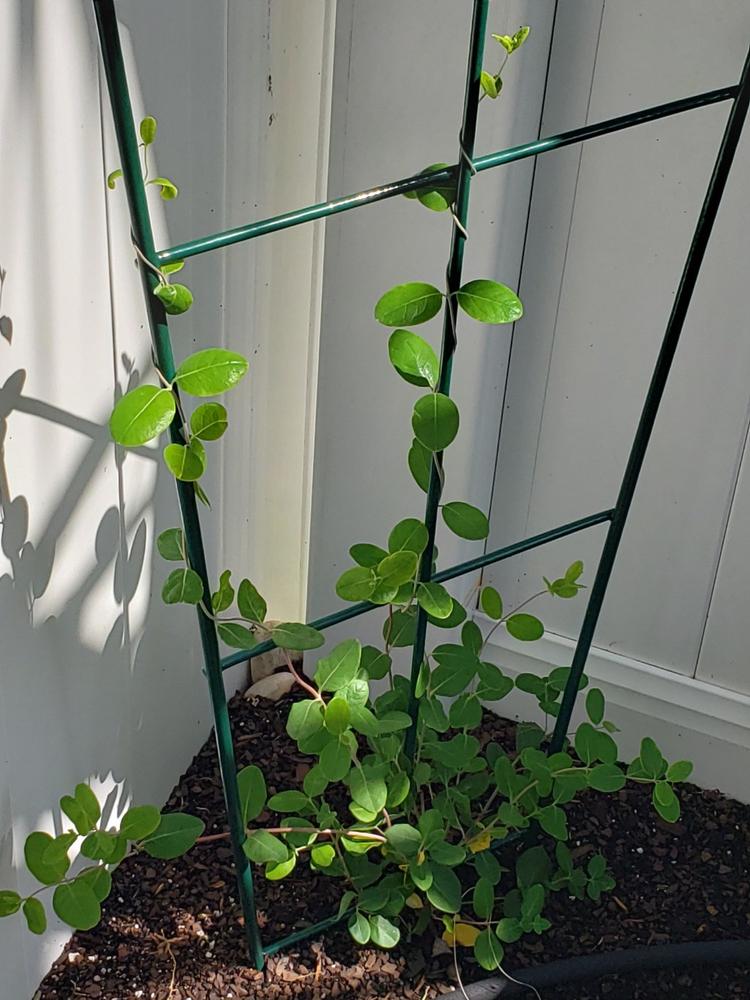
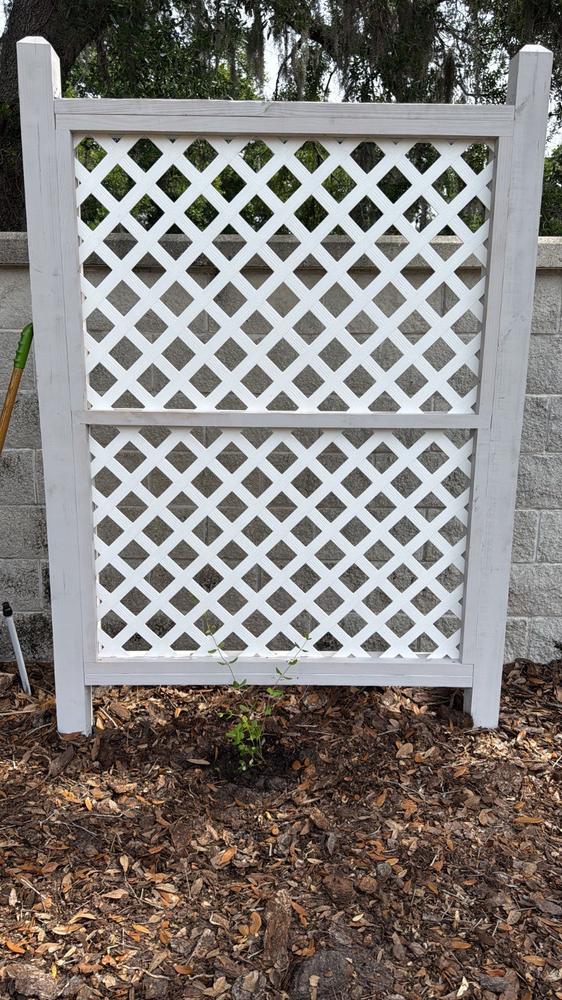
Versatile in the Landscape. Train it up a trellis, fence, arbor, or mailbox post for a classic cottage-garden look. Let it spill down a wall or slope as a ground cover. Grow it in a large container on a patio. The dark green leaves with silvery undersides look attractive year-round, and in South Florida the vine stays fully evergreen.

How to Care for Coral Honeysuckle

  • Plant it in full sun to partial shade; more sun means more blooms
  • These flower vines thrive in well-drained soil that's slightly acidic to neutral. Add our acidic potting soil at checkout for best results!
  • Water regularly through the first growing season to help it establish, then back off; once it's settled in, it handles drought without complaint.
  • Prune in early spring, typically mid to late March, to encourage a flush of lush new growth and keep the vine from getting bare at the base.

Coral Honeysuckle is about as forgiving as vines come. Beyond that annual cutback and occasional shaping, it really doesn't ask much. Feed once or twice a year with slow-release root boosting fertilizer in spring and fall, and you're all set!

Why Buy Coral Honeysuckle from Perfect Plants Nursery?

When you're shopping for native plants online, it matters where they come from. A lot of e-commerce sellers are drop shippers who never touch what they sell. We're the opposite. Every coral honeysuckle vine that leaves our property was grown right here in Florida and shipped direct from our nursery to your door, no middlemen involved. We've been doing this since 1980, and native plants like Lonicera sempervirens are a genuine passion, not just a product line.

Shop more native shrubs online or view our collection of vining shrubs today. Happy Planting!

Coral honeysuckle plays well with other plants in your garden. Because it climbs vertically, it pairs naturally with low-growing, spreading plants that fill in around the base. Some combinations that work particularly well:

  • For a full pollinator garden, pair it with native Black-Eyed Susans, coneflowers, or May Night Salvia planted at its feet. The low perennials fill the ground while the vine works the vertical space, and together they keep something in bloom from spring through fall.
  • For a cottage garden feel, try it alongside climbing roses on a shared fence or arbor. Both like full sun and similar care, and the color contrast between the coral red blooms and softer rose tones is genuinely striking.
  • For a wildlife-first planting, combine it with native grasses like Pink Muhly Grass or little bluestem nearby. The grasses provide nesting material and shelter for birds that come for the berries, creating a self-contained mini habitat.

Pro-Gardener Tip: Plant something dense and low at the base of whatever structure the vine is climbing. Coral honeysuckle can get a little bare at the bottom over time, and a groundcover like Blue Rug Juniper or Sea Green Juniper cover that gap while adding another layer of interest.

  • Native, non-invasive vine with vivid red-coral blooms that feed hummingbirds and butterflies from spring through fall
  • Produces bright red berries in fall and winter that attract songbirds; four-season wildlife value in one plant
  • Extremely low maintenance once established; drought tolerant, pest-resistant, and adaptable to a wide range of soils
  • Cold hardy to Zone 4 and evergreen in warm climates, thriving coast to coast across Zones 4–10
  • Grows 15–20 ft. tall on fences, trellises, arbors, and walls; or train as a ground cover or grow in containers
  • A responsible alternative to invasive Japanese honeysuckle; beautiful, controllable, and ecologically sound

At Perfect Plants Nursery, we stand behind every tree, shrub, and flower we grow. Every order is protected by our complimentary 30-day plant guarantee, ensuring your plants arrive healthy and ready to thrive. Unlike many online nurseries, Perfect Plants ships directly from our family-run farm, so you’re backed by growers who care about your success long after your plants leave our nursery beds. Grow with confidence knowing your investment is protected from the start.

Botanical Name
Lonicera sempervirens
sun-light

Sunlight
Full Sun

Foliage Color
Green

Flower Color
Coral

Mature Width
3-6 ft

Mature Height
15-20 ft

Growing Zones 4, 5, 6, 7, 8 , 9 ,10

map-img
Customer Reviews
0.0 Be the first to review this item
5 ★
0% 
0
4 ★
0% 
0
3 ★
0% 
0
2 ★
0% 
0
1 ★
0% 
0
Write a Review Ask a Question

FAQs for Coral Honeysuckle

Coral honeysuckle (Lonicera sempervirens) does not have a noticeable fragrance, which surprises a lot of our gardeners who associate honeysuckle with that classic sweet scent. That belongs to Japanese honeysuckle. What coral honeysuckle lacks in fragrance it more than makes up for in color, wildlife value, and good garden manners. Hummingbirds don't rely on scent anyway!

Good news for pet owners: coral honeysuckle is not considered toxic to dogs or cats according to the ASPCA. This makes it a solid choice for yards and gardens where pets roam. As always, use good judgment and discourage pets from chewing on any plant in large quantities, but there is no need to avoid this vine if you have animals in your household.

Coral honeysuckle is a fast grower. Once established, vines can reach 15 to 20 feet and fill in a trellis or fence line within a couple of growing seasons. In its first year it focuses mostly on root development, so don't be discouraged if top growth seems slow out of the gate. By year two it picks up pace noticeably, and regular spring pruning keeps the growth full and productive rather than leggy.

Yes. Coral honeysuckle is a perennial vine, meaning it comes back year after year from the same root system. In warmer zones (roughly Zone 7 through 10) it stays evergreen through winter and may even push out a few blooms during mild spells. In colder zones it may die back to the ground over winter but reliably re-sprouts from the roots in spring. Think of it as a long-term landscape investment that only gets better with time.

Recently viewed