Mission Olive Tree

Hand reaching out and picking a ripe Mission Olive right off the tree with a blurred natural background

Mission Olive Tree

Regular price $39.99
/
Size
Select Quantity
  • In stock, ready to ship
  • Inventory on the way
  • Ships in 2-3 business days
  • Complimentary 30 Day Warranty
  • Buy direct from the grower, not a drop shipper
  • Family owned farm since 1980

Mission Olive Trees Have Been an American Favorite Since 1769

This heritage olive is still one of the hardiest and most versatile you can grow

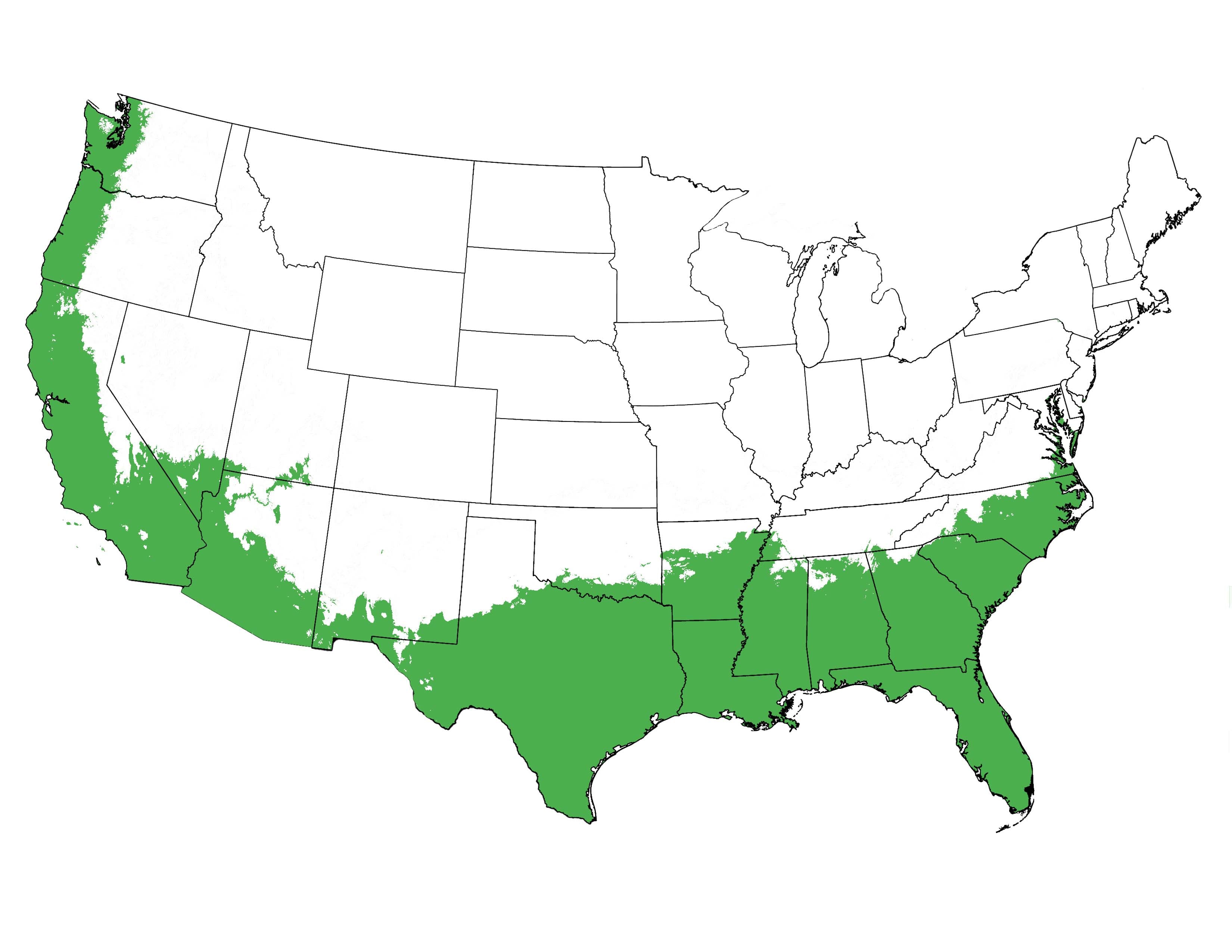
  • Cold hardy: One of the most cold-tolerant olives you can grow, suited to zones 8 to 10.
  • Dual-purpose fruit: Oil-rich olives that cure beautifully for the table.
  • Self-fertile: One tree can set fruit, and an Arbequina nearby boosts the crop.
  • Evergreen color: Silvery gray-green leaves stay on all winter.
  • Easy care: Thrives in lean, well-drained soil and handles dry spells once established.

When gardeners call us asking for an olive that can handle a real winter, we point to the Mission Olive Tree. Olea europaea ‘Mission' was first planted at California’s Spanish missions in the 1700s, and it’s still the most cold-hardy of the classic olive trees. It keeps its silvery gray-green leaves all year and puts out small, fragrant white flowers in spring. The fall fruit can be cured for the table or pressed for oil. It grows upright, and the trunk gets gnarled as it ages.

Mission Olive Care

Olives come from hot, dry Mediterranean hillsides with lean, rocky soil, so the Mission does best when you leave it alone. Give it full sun and soil that drains fast, and once its roots are established it handles heat and dry spells well. What matters most, especially in the humid Southeast, is keeping the roots from sitting in wet soil. In Florida, too much water causes more trouble than drought does.

  • Watering: Water deeply once or twice a week the first year. After that, water only in long dry spells. Soggy soil leads to flower drop and root rot.
  • Light: Full sun. Pick the brightest, most open spot in the yard.
  • Pruning: Prune between February and May, thinning crowded branches so air moves through the canopy. Fruit forms on last year's growth, so don't shear the tree hard.
  • Pollination: Mission is self-fertile, but planting a second variety such as Arbequina nearby usually gives a bigger, steadier crop

Why Gardeners Shop With Perfect Plants Nursery

Our own team cares for and ships every tree. Each one is packed carefully so it arrives with its roots intact and its leaves full, ready to go in the ground. After more than 45 years, we know what a strong young olive should look like when it leaves the nursery. For more variety to create the perfect fruit garden, check out all of our fruit and nut trees for sale!

At Perfect Plants Nursery, we stand behind every tree, shrub, and flower we grow. Every order is protected by our complimentary 30-day plant guarantee, ensuring your plants arrive healthy and ready to thrive. Unlike many online nurseries, Perfect Plants ships directly from our family-run farm, so you’re backed by growers who care about your success long after your plants leave our nursery beds. Grow with confidence knowing your investment is protected from the start.

How big does a Mission olive tree get?

A Mission olive grows 20 to 30 feet tall and 15 to 25 feet wide at maturity, and it's more upright than most olives. It grows slowly and takes pruning well, so it's easy to keep it at 10 to 15 feet for easier picking.

When are Mission olives ready to harvest?

Mission olives ripen from fall into early winter. Pick them green early in the season, or leave them on the tree a few more months to turn purple-black. Ripe black Mission olives are the classic choice for salt curing.

Can you eat Mission olives right off the tree?

No. Fresh olives are very bitter because of a natural compound called oleuropein, and curing in water, brine, or salt draws it out. Water curing is the fastest method and makes olives ready in a few weeks, though they stay slightly bitter.

Does a Mission olive tree need a pollinator?

No. Mission is self-fertile, so one tree can set fruit by itself. Olives are wind-pollinated, though, and they usually crop better with a partner variety planted close by. That's especially true in Florida, where some self-fertile olives set fruit less reliably than they do out West.

What's the difference between Mission and Arbequina olives?

Mission is a taller, upright, dual-purpose olive that's among the hardiest in cold weather and is prized for curing. Arbequina is a small-fruited Spanish oil olive, the most popular olive in Florida, and it started bearing sooner in University of Florida trials. Arbequina is also a listed pollinizer for Mission, so many gardeners plant one of each.


Botanical Name
Olea europaea 'Mission'
Full Sun

Sunlight
Full Sun

Flower Color
White

Foliage Color
Green

Mature Width
15-25 ft

Mature Height
20-30 ft

Growing Zones8, 9, 10

map-img