


Organic Sphagnum Peat Moss

Organic Sphagnum Peat Moss

1 Review
Regular price $24.95 Sale price $19.95 20% off
/
Size
  • In stock, ready to ship
  • Inventory on the way
  • Ships in 2-3 business days (N/A to Pre Orders)
  • Buy direct from the grower
  • Family owned farm since 1980

Moisture Retaining Soil Additive for Potted Plants

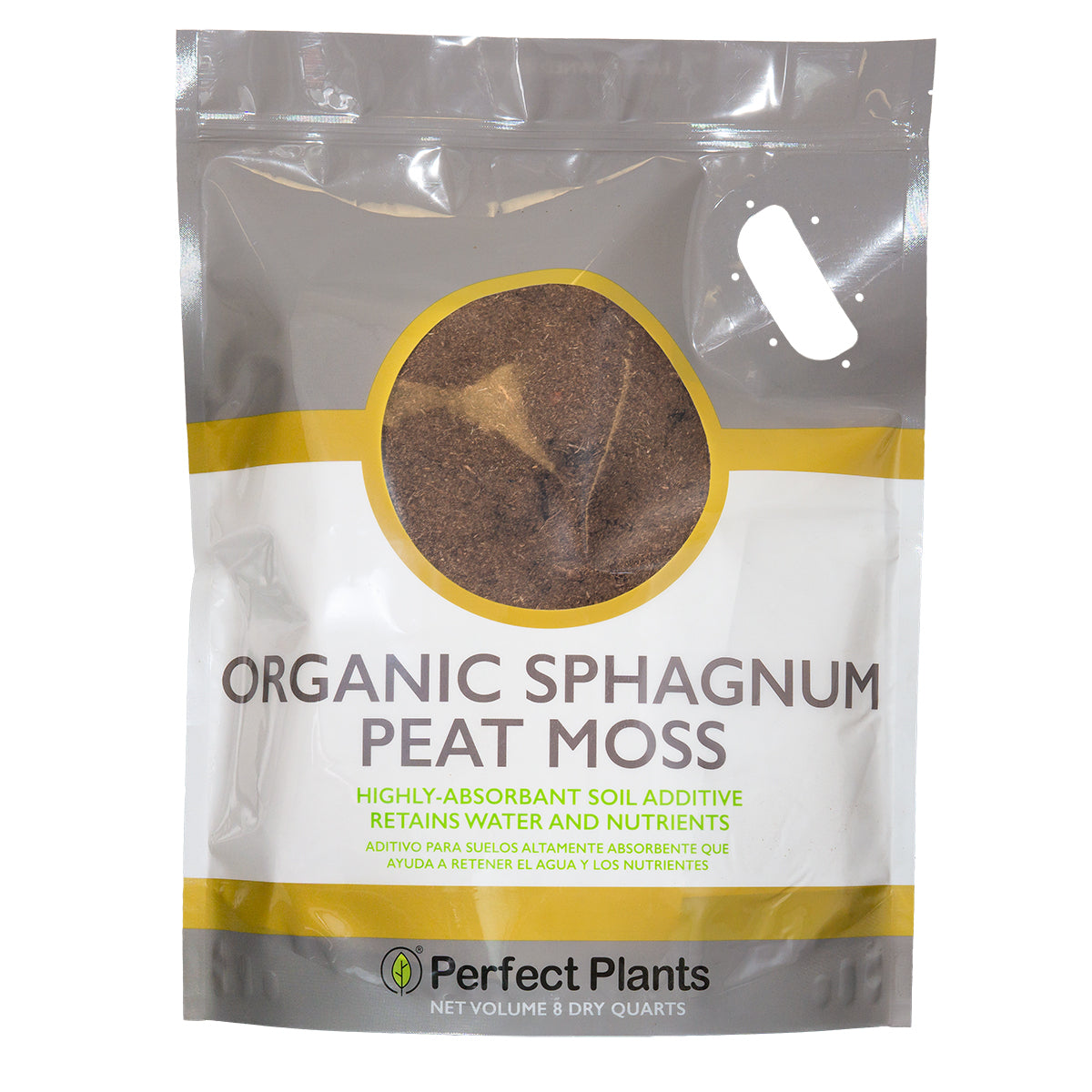
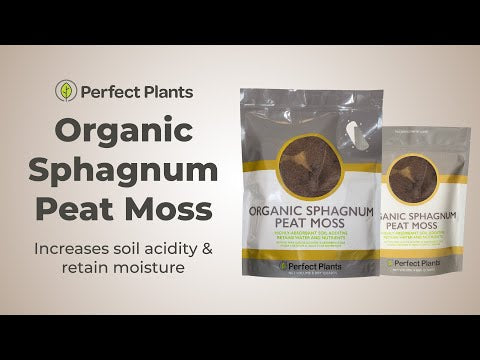
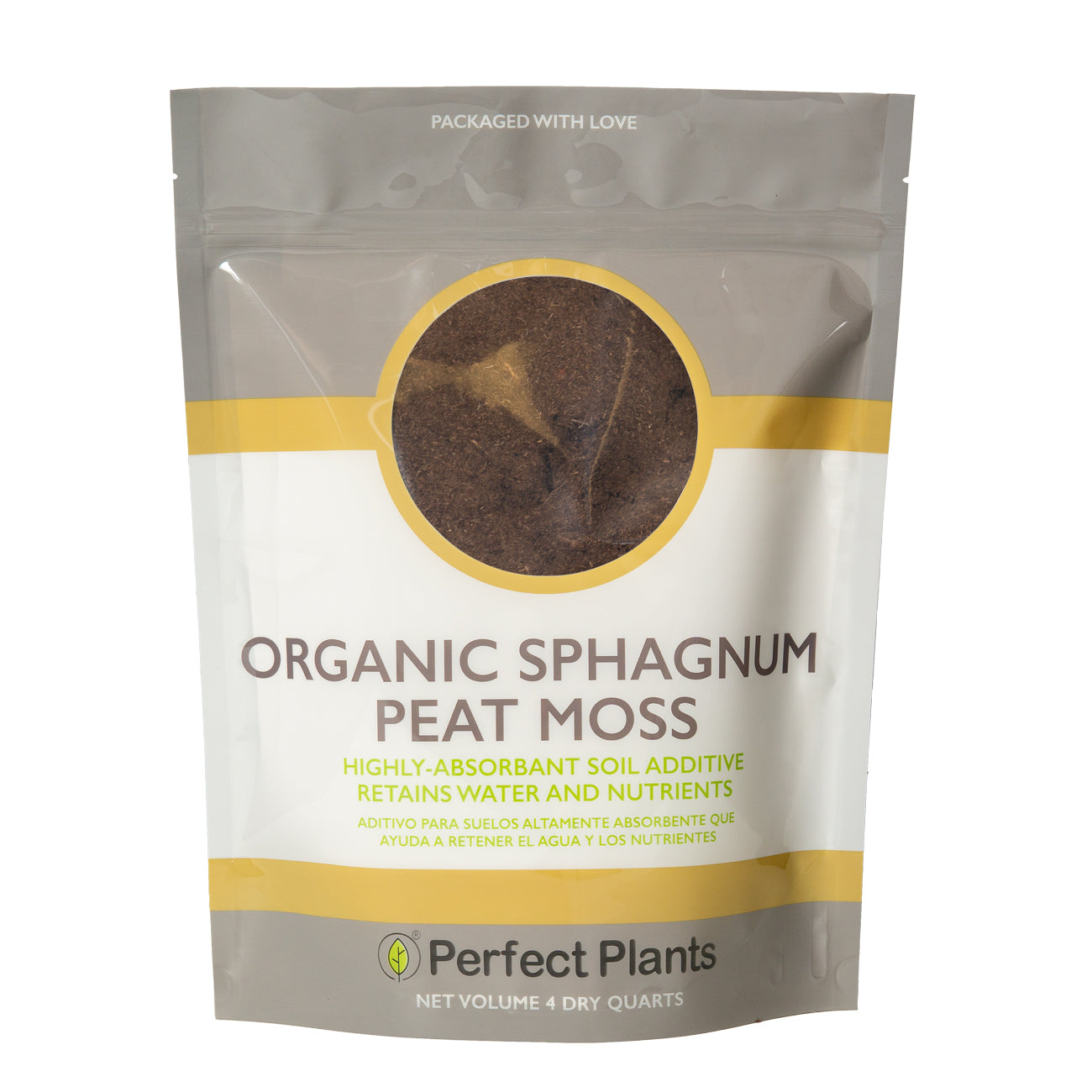
Organic Sphagnum Peat Moss by Perfect Plants. This garden soil additive comes in a resealable 4 or 8 dry quart bag. It is a sterile growing medium for seed starting where no harmful bacteria can harbor.

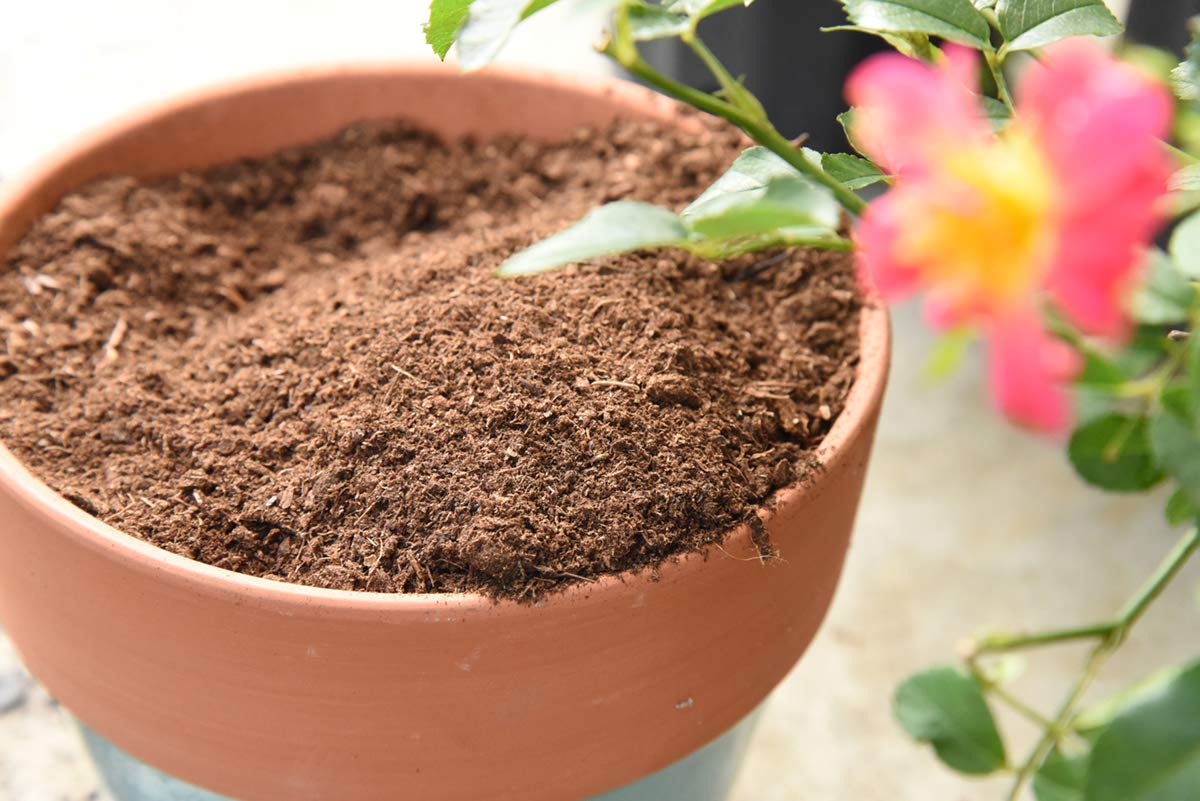
Retains a high percentage of moisture and nutrients. The high absorbency makes it a great additive to natural organic soil mixes or potting soil for both indoor and outdoor plants.

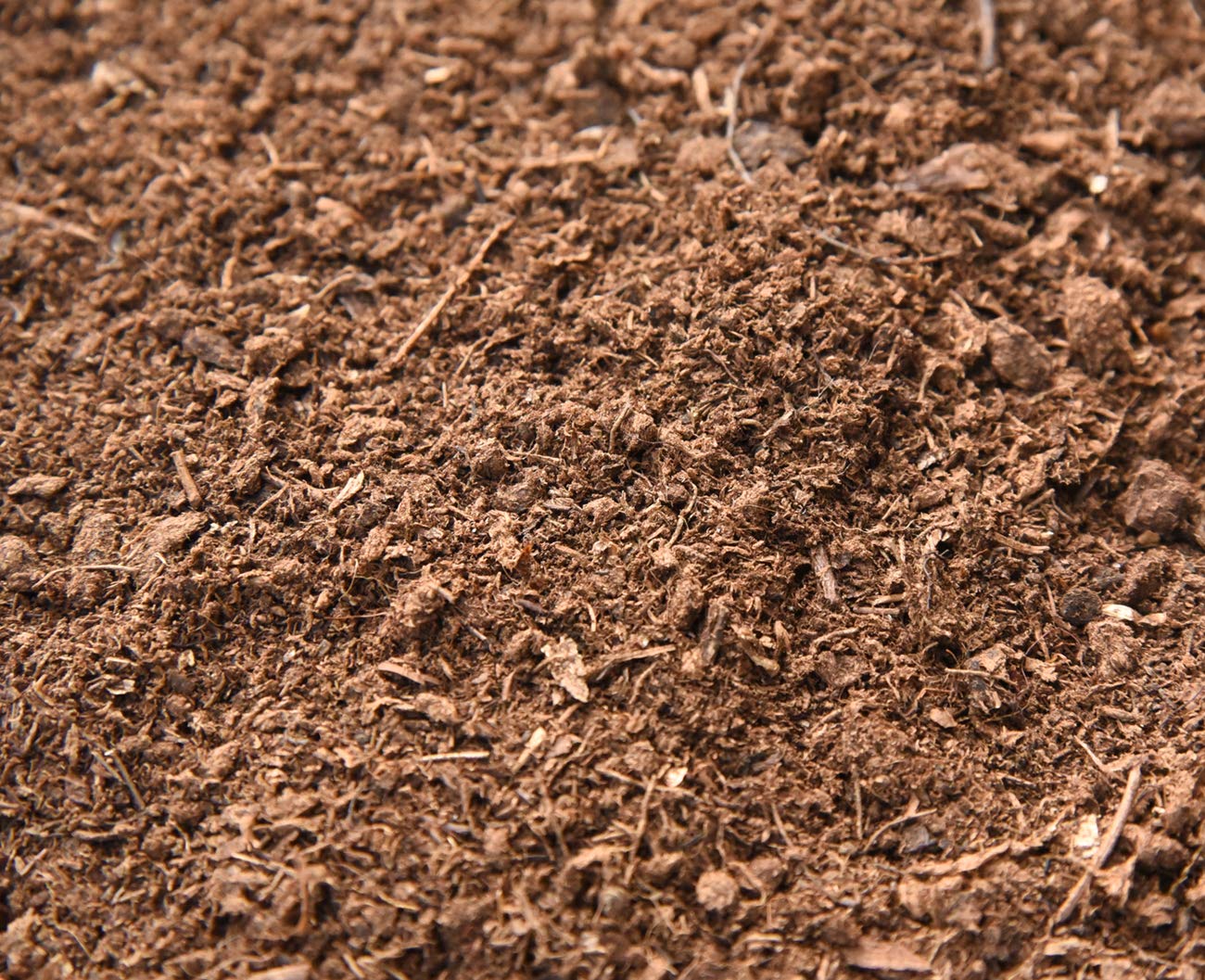
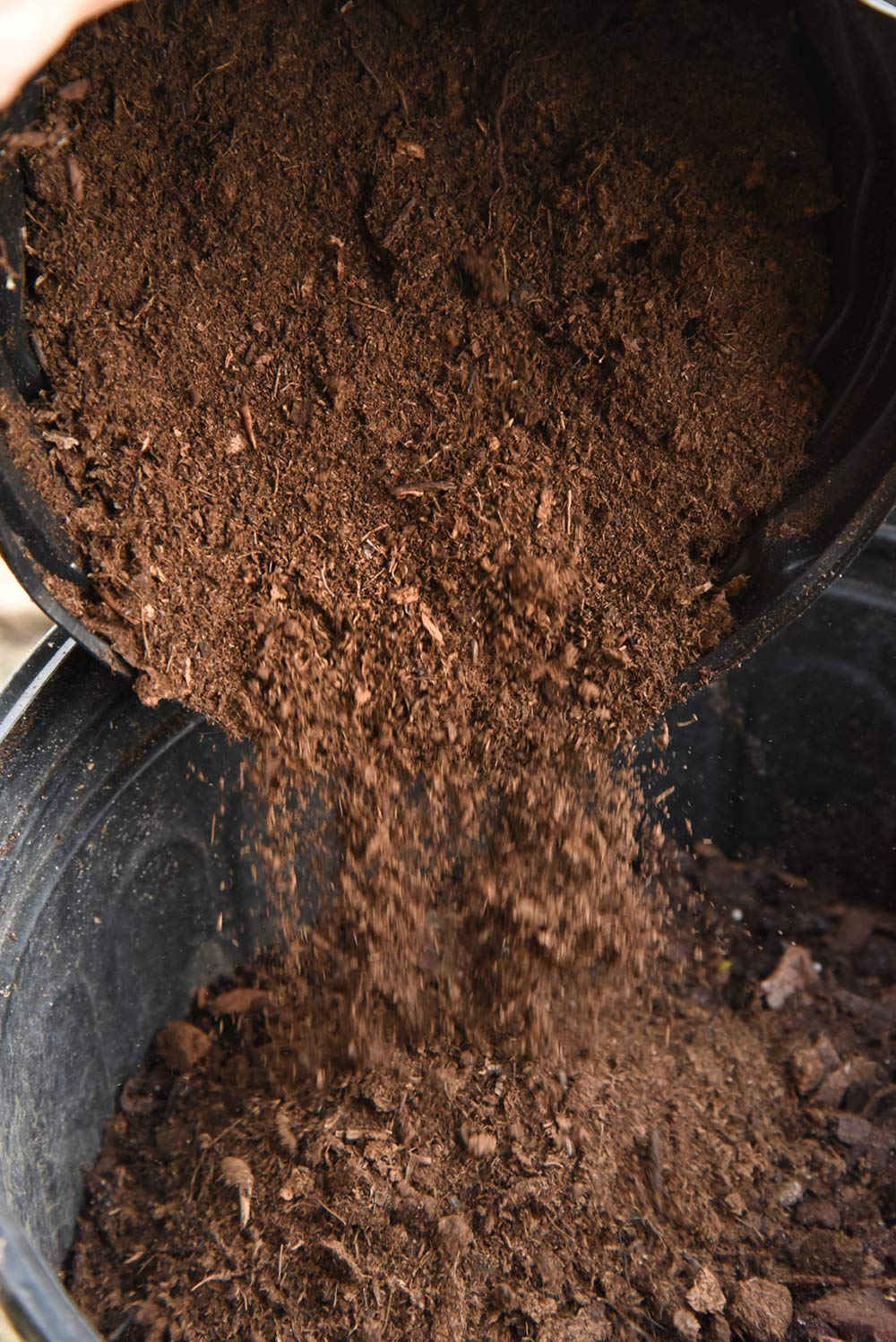
This soil conditioner will not compact and leaves room for plant roots to expand and grow. Great for starting seeds and improving soil structure.

Acid loving plants will retain water if mixed with this soil amendment. Be sure to soil test acidic soils to make sure you have the correct soil pH.

It can benefit sandy soils or clay soils by adding organic products such as organic peat moss. It can benefit alkaline soils as well if added in large quantities. This potting mix additive holds water and stores it for later use. The water holding capacity is defined by how fine the peat is or the particle size.

WHAT IS PEAT MOSS?

This high quality, horticultural peat product is a renewable resource. It is harvested from peat bogs where organic matter such as dead plant material and sphagnum moss grows into an area with heavy water retention.

This peat moss is a key ingredient of many of our specially formulated potting mixes such as Orchid Potting Mix, Cactus and Succulent Potting Mix, and Bonsai Soil.

At Perfect Plants Nursery, we stand behind every tree, shrub, and flower we grow. Every order is protected by our 30-day plant guarantee, ensuring your plants arrive healthy and ready to thrive. For extra peace of mind, our optional 1-Year Extended Warranty covers your plants against death and disease for a full year. Unlike many online nurseries, Perfect Plants ships directly from our family-run farm, so you’re backed by growers who care about your success long after your plants leave our greenhouse. Grow with confidence knowing your investment is protected from the start.

Botanical Name
Peat Moss

Foliage Color
brown

Growing Zones All Zones

Customer Reviews
5.0 Based on 1 Reviews
5 ★
100% 
1
4 ★
0% 
0
3 ★
0% 
0
2 ★
0% 
0
1 ★
0% 
0
Write a Review Ask a Question

FAQs for Organic Sphagnum Peat Moss

Yes, sphagnum peat moss can be considered organic. It is derived from the partial decomposition of sphagnum moss and is widely used as a soil amendment in organic gardening practices. However, it's important to ensure that the specific brand or source of peat moss you are using is labeled as organic, as some products may contain additives or undergo processing methods that are not consistent with organic standards.

The choice between sphagnum moss and peat moss depends on your specific needs and preferences. Sphagnum moss is favored for its ability to retain moisture, provide good aeration, and promote root growth. Peat moss, on the other hand, is partially decomposed sphagnum moss and is commonly used as a soil amendment. Both sphagnum moss and peat moss have their advantages and can be beneficial in different applications. Ultimately, the choice will depend on factors such as the specific plant's needs, the growing conditions, and personal preference.

Some potential disadvantages of sphagnum peat moss include:

Environmental impact: The extraction of peat moss from bogs can disrupt fragile ecosystems and contribute to the depletion of peatland habitats.

Slow decomposition: Peat moss takes a long time to decompose naturally, leading to slow regeneration of peatlands.

Limited nutrient content: Sphagnum peat moss itself has low nutrient content, so it is often used more for improving soil structure rather than providing significant nutritional benefit to plants. Additional nutrients may need to be added separately.

Acidity: Peat moss has an acidic pH, which could impact the pH balance of the soil over time. Some plants may not thrive in highly acidic conditions, so it is important to monitor and adjust pH levels accordingly.

The use of peat moss is facing growing concerns and calls for discontinuation due to several reasons. One of the primary concerns is the environmental impact caused by the extraction of peat moss from bogs. This process disrupts delicate ecosystems and contributes to the depletion of peatland habitats, which are crucial for biodiversity and carbon storage. Additionally, the slow regeneration of peatlands makes the extraction unsustainable in the long term.

Recently viewed