Is aquatic milkweed the same as swamp milkweed?
No, though the names overlap constantly. Aquatic milkweed is Asclepias perennis, a compact 1 to 3 ft. wetland native with flat white flower clusters. Swamp milkweed usually means Asclepias incarnata, a taller 3 to 5 ft. plant with rose pink flowers. Both love wet ground and both host monarchs, and plenty of references call perennis "white swamp milkweed," which is where the confusion starts.
Does aquatic milkweed need to be planted in water?
Not at all. The name comes from its native home in floodplains and cypress swamps, and it will happily sit in standing water, but it grows just fine in any bed that stays consistently moist. Rain gardens, low spots, pond margins, and containers with a saucer underneath all work. The real benefit is that this is one plant you cannot overwater.
Will white milkweed grow and bloom in shade?
Yes, and that's what sets it apart from every other milkweed. Most Asclepias need six or more hours of direct sun to flower at all, while Asclepias perennis keeps blooming in part shade and even holds up in fairly deep shade in the Deep South. If you have a damp, shaded corner where nothing else will take, this is your plant.
Do monarch caterpillars eat aquatic milkweed?
They do, and they do well on it. Aquatic milkweed is a confirmed larval host for both monarch and queen butterflies, and its broad, tender leaves feed more caterpillars per plant than the narrow-leaved milkweeds. The flowers also carry a Xerces Society designation for special value to native bees, bumblebees, and honeybees.
Does aquatic milkweed spread, and should it be cut back in winter?
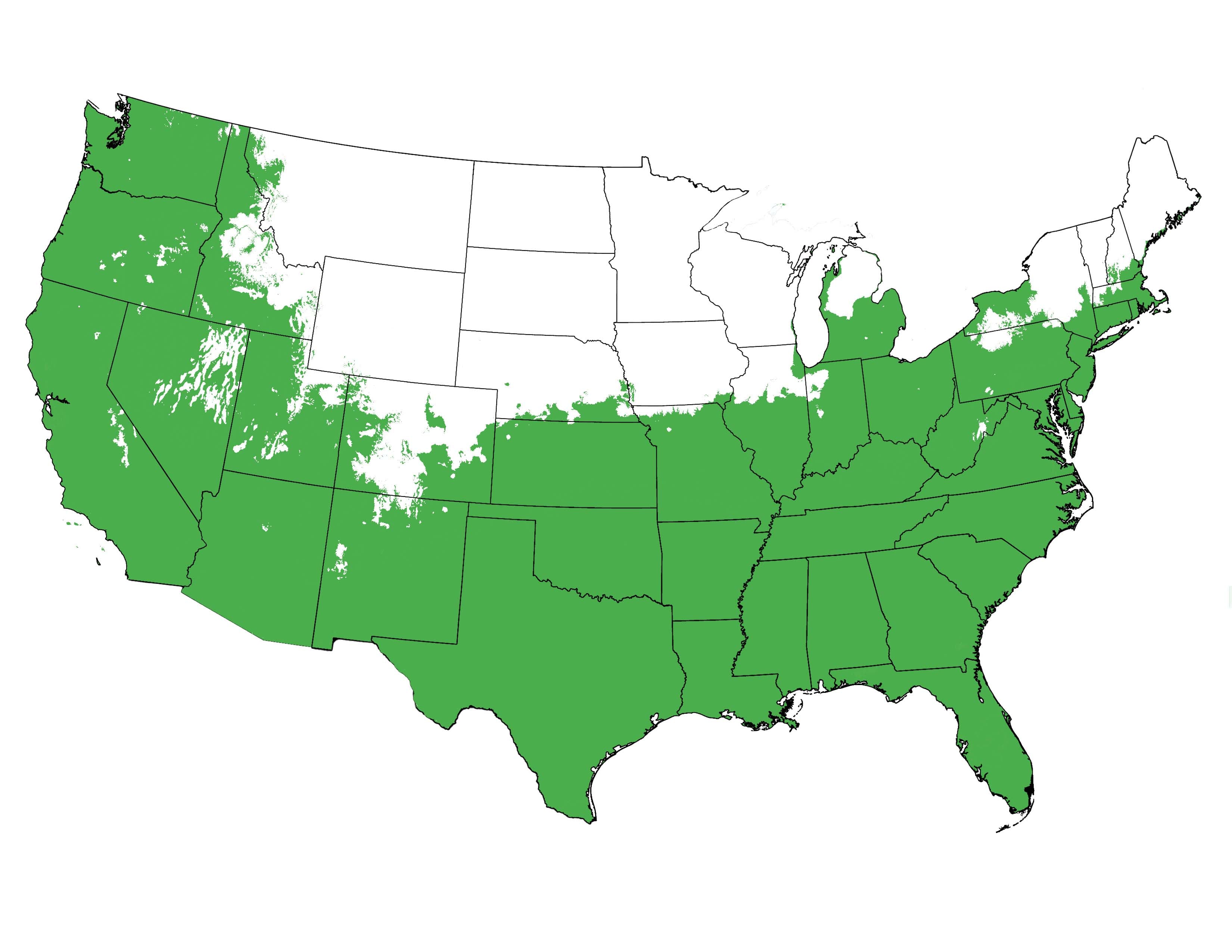
It stays put. Unlike common milkweed, it doesn't run underground, and its flat winged seeds float on water rather than blowing on the wind, so any volunteers show up right near the parent plant. In Zones 6 through 8 it dies back on its own each winter. In frost-free Zones 9 and 10 where it can stay green year round, we cut ours to the ground once in late fall, the same practice recommended for any milkweed in a warm climate, which keeps growth fresh and keeps the local monarch population moving on schedule.