




Potting & Garden Soil for Sale
23 products
We’ve been growing landscape plants since 1980. We know it’s almost impossible to achieve a 100% survival rate. That’s why we’ve got you covered!
Our Perfect Plants 1 Year Warranty is roughly 10% of your plant total. It’s a cost-effective way to guarantee your plants for a full year.
If a plant dies up to 1 year after purchase, whether it's a weather related issue, human error, or anything else, just send us a picture at customerservice@myperfectplants.com and we’ll get you a store credit for the plant you purchased. The warranty does not cover the cost of shipping for any replacement.
Warranty must be purchased at the time of checkout and cannot be added after your order has been completed.
It’s that simple! Enjoy your new plants in confidence. Guarantee your plants for a full year today!
23 products
Healthy soil is the foundation of every thriving garden. Whether you're planting flowers, shrubs, fruit trees, vegetables, or houseplants, the right soil provides the nutrients, drainage, and moisture retention plants need to establish strong root systems and grow their best.
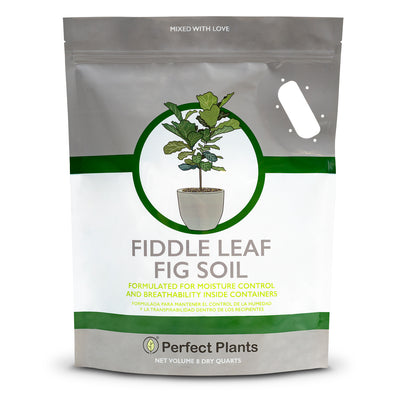
At Perfect Plants, we hand-mix our premium garden and potting soils right here at our Florida nursery using high-quality ingredients designed for specific plant types. Our specialty soil blends can be used to amend native soil, fill raised beds, improve planting holes for new trees and shrubs, or grow healthy container plants.
These soils can be used as garden soils, in raised beds or containers, or added when planting a new tree or shrub to amend the soil at the planting site.
We have different types of soil for a variety of plants including bonsai trees, orchid plants, blueberry plants, fruit trees, rose bushes, succulents, and even indoor tropicals like our Money Tree Soil Mix. It is always best to perform a soil test to determine nutrients levels or nutrient deficiencies that are possible, as well as soil pH. Our Acidic Potting Soil is perfect for amending soils that need a decrease in pH.
Because every landscape is different, we always recommend performing a soil test to evaluate nutrient levels and soil pH before planting. If your soil is too alkaline, our Acidic Potting Soil is an excellent choice for lowering pH and creating the ideal growing environment for acid-loving plants.
For additional recommendations specific to your region, your local Cooperative Extension office is also an excellent resource.
Garden soil is a blend of topsoil and organic matter that improves soil structure while supplying nutrients to plants. It's designed for use in outdoor landscapes, garden beds, and around trees and shrubs where it enriches native soil and promotes healthy root development.
Although the terms are often used interchangeably, garden soil and potting soil serve different purposes.
Garden soil is a nutrient-rich blend of topsoil and organic matter intended for use outdoors in landscape beds and planting areas.
Potting soil (or potting mix) is actually a soilless growing medium made from ingredients such as peat moss, pine bark, perlite, compost, and sand. It's lightweight, drains well, and is formulated specifically for container gardening.
The first step in preparing a garden is identifying your existing soil type. Clay, sandy, and loamy soils all require different amendments. Once you understand your soil, incorporate quality garden soil and organic matter to improve fertility, drainage, and water retention before planting.
Garden soil can be created by blending topsoil with compost, aged manure, and other organic materials. While making your own mix is possible, many gardeners prefer using professionally blended soils that provide consistent texture, nutrients, and drainage without the guesswork.
Garden soil can be mixed into container plantings, but it should not be used by itself. Because it is denser than potting mix, it drains more slowly and may compact over time. For containers, use a quality potting mix or blend garden soil with potting soil when appropriate.
For indoor houseplants, we offer a variety of potting mixes and soils for different types of indoor plants. For example: Aroid
Potting Mix would be a perfect amendment for types of aroid plants including Pothos & Monstera.
Yes. Mixing garden soil with potting soil can improve nutrient content while maintaining better drainage than garden soil alone. The ideal ratio depends on what you're growing, but combining the two is often beneficial for large outdoor containers and raised beds.
Absolutely. If you're growing vegetables in containers or raised planters, potting mix is typically the best choice because it provides excellent drainage and aeration. For vegetables planted directly in the ground, enriching your native soil with quality garden soil and compost will provide the best long-term results.
Explore our full collection of premium potting mixes and specialty garden soils to give every plant the foundation it needs to thrive.